

What is the Best Treatment for Hand, Foot, and Mouth Disease in Kids in Glendale, AZ?
At KidsHealth Pediatrics in Glendale, AZ, Dr. Maria Nabong, MD, provides expert care for children diagnosed with Hand, Foot, and Mouth Disease. Treatment includes symptom relief through fever reducers and pain relievers. We offer a personalized approach, ensuring your child’s comfort and speedy recovery while providing clear guidance for managing symptoms at home. For more information, contact us today or book an appointment online. Our clinic is located at 5750 W Thunderbird Road, F620, Glendale, AZ 85306.
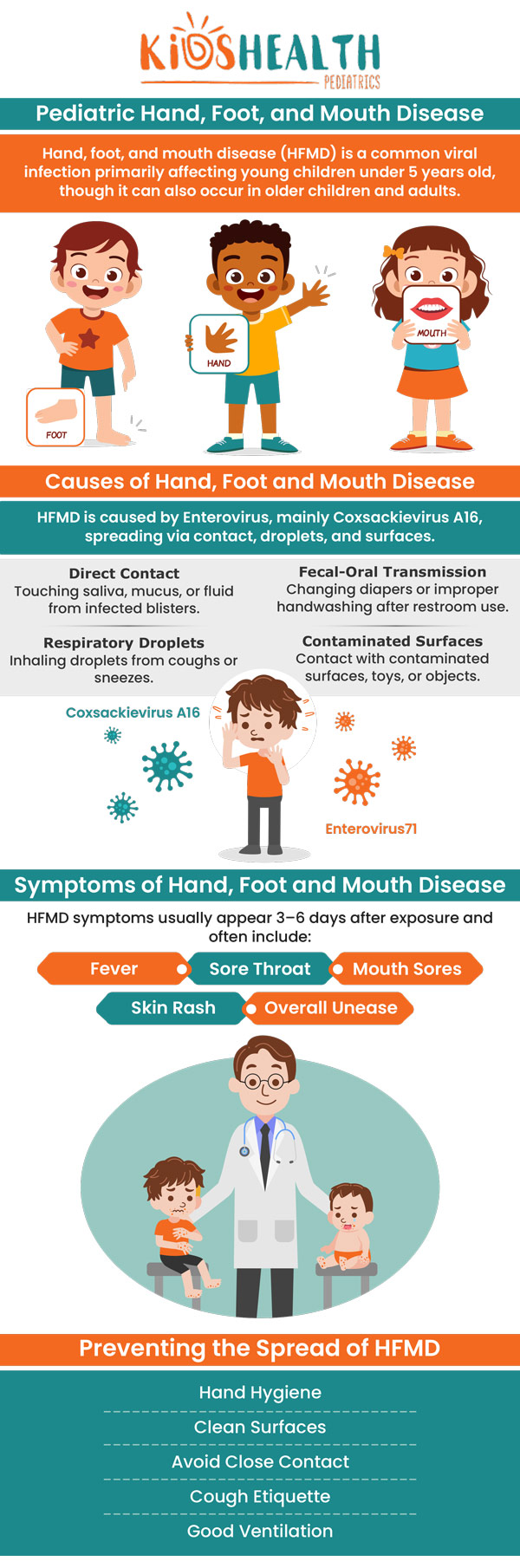
Table of Contents:
What are the common symptoms of Hand, Foot, and Mouth Disease?
What are the treatment options for Hand, Foot, and Mouth Disease in children?
Can Hand, Foot, and Mouth Disease be prevented?
How long does Hand, Foot, and Mouth Disease last in children?
Why Choose Dr. Maria Nabong for Hand, Foot, and Mouth Disease Care at KidsHealth Pediatrics
At Kids Health Pediatrics, we often see Hand, Foot, and Mouth Disease (HFMD) in children, particularly during late summer and early fall. HFMD is caused by a viral infection and is highly contagious, especially in young children. The common symptoms of HFMD include:
1. Fever
A mild to moderate fever is usually one of the first signs of HFMD. The fever may last for a couple of days and can make children feel uncomfortable and irritable.
2. Sore Throat and Irritability
Children with HFMD may complain about a sore throat or say that their mouth feels sore. Younger children may become fussy, drool more than usual, or refuse to eat or drink.
3. Mouth Sores
One of the most distinctive features of HFMD is the painful sores inside the mouth, usually on the tongue, gums, and the inside of the cheeks. These sores can make swallowing difficult and can cause discomfort when eating or drinking.
4. Skin Rash
A skin rash typically develops after the fever begins. The rash usually appears on the hands, feet, and sometimes buttocks. It may start as red spots and can turn into small blisters. While the rash itself isn’t usually itchy, it may be tender.
5. Loss of Appetite
Due to mouth sores and the discomfort of fever, children may not feel like eating or drinking. It’s important to keep children hydrated and offer soft or cool foods to avoid further discomfort.
6. General Fatigue
As with many viral illnesses, fatigue is common. Your child may feel more tired than usual and need extra rest to recover.
At Kids Health Pediatrics, we help parents manage their child’s care by offering advice on keeping them comfortable and ensuring they stay hydrated while they recover.
There is no specific treatment that can cure Hand, Foot, and Mouth Disease. However, at Kids Health Pediatrics, we focus on managing symptoms and ensuring that your child stays comfortable while their body recovers. Here’s how we help:
1. Fever and Pain Relief
For fever and discomfort caused by mouth sores or the rash, we recommend gentle care measures to alleviate pain, such as offering cool fluids and soft foods. Ensuring your child is well‑hydrated is especially important to prevent dehydration, which can worsen symptoms.
2. Hydration
We advise frequent fluid intake, such as water, ice pops, and smooth drinks to soothe the mouth sores and keep your child hydrated. Avoid juices that are acidic or hot drinks that may irritate mouth sores.
3. Soft Foods
Because the mouth sores can make chewing uncomfortable, offering soft, bland foods like mashed potatoes, yogurt, or applesauce can help your child eat without causing additional discomfort.
4. Rest and Comfort
Getting plenty of rest is crucial during the recovery process. We encourage parents to create a calm, quiet environment where children can rest and recover.
5. Monitoring for Complications
While HFMD is usually mild, we advise monitoring for any changes that could indicate complications, such as dehydration (e.g., reduced urine output, dry mouth) or if the child becomes unusually tired or unresponsive. If this happens, we recommend reaching out to our office for guidance.
At Kids Health Pediatrics, we are here to support you with recommendations and help you keep your child as comfortable as possible during recovery.
While Hand, Foot, and Mouth Disease (HFMD) is highly contagious, there are several measures you can take to help reduce the spread of the virus, especially in homes, schools, or daycare centers.
1. Good Hand Hygiene
Frequent handwashing is the most effective way to prevent the spread of the virus. Ensure that your child washes their hands with soap and water for at least 20 seconds, especially after using the bathroom, before eating, and after playing with other children or touching shared surfaces.
2. Clean and Disinfect Surfaces
Viruses from HFMD can live on surfaces for extended periods. It’s important to clean and disinfect common surfaces that children touch, such as toys, doorknobs, light switches, and countertops. This reduces the chance of spreading the virus from shared spaces.
3. Isolate Infected Children
To protect others, we advise keeping children with HFMD at home until their fever has subsided, their mouth sores have healed, and their blisters are drying up. This helps prevent the virus from spreading to others, particularly to those who are more vulnerable, such as infants and pregnant women.
4. Teach Proper Respiratory Etiquette
Encourage your child to cover their mouth and nose when coughing or sneezing and to avoid sharing utensils, drinks, or personal items with others to prevent transmission.
While it’s difficult to avoid every chance of exposure, these practices help reduce the spread of HFMD and protect your family and others in your community.
The duration of Hand, Foot, and Mouth Disease (HFMD) can vary from child to child, but typically the illness follows a 7–10 day course.
1. Incubation Period
The virus typically has an incubation period of 3–6 days. This means that a child who has been exposed to the virus may not show symptoms until a few days later.
2. Duration of Symptoms
● Fever usually lasts for 2–3 days before starting to subside.
● Mouth sores and the rash often start to heal around the 4–6 day mark but can take up to 7–10 days to fully clear.
● By day 10, most children will be feeling better, and the rash will begin to fade.
3. Recovery Time
Most children are generally back to their normal selves within 7–10 days, and once the fever has gone and the sores have healed, they can return to daily activities such as school or daycare. However, we always advise waiting until blisters are healed to avoid passing the infection to others.
While HFMD is usually mild, if symptoms last longer than expected, or if you notice any complications, such as difficulty swallowing, persistent high fever, or signs of dehydration, please contact our office immediately. At Kids Health Pediatrics, we’re here to support you through every stage of your child’s recovery.
At KidsHealth Pediatrics in Glendale, AZ, Dr. Maria Nabong, MD, provides expert care for children with Hand, Foot, and Mouth Disease. Her compassionate approach ensures that your child receives personalized treatment tailored to their specific symptoms. Dr. Nabong uses a combination of fever reducers and hydration strategies to minimize discomfort. Her attention to detail and commitment to patient care make the healing process more comfortable and effective for every child. We look forward to serving you! For more information, contact us today or book an appointment online. Our clinic is located at 5750 W Thunderbird Road, F620, Glendale, AZ 85306. We serve patients from Glendale AZ, Peoria AZ, Sun City AZ, Scottsdale AZ, North Scottsdale AZ, Grayhawk AZ, and surrounding areas of Phoenix AZ.
Check Out Our 5 Star Reviews


Additional Services You May Need
Additional Services You May Need


 Send Text
 How May I Help You?
