

How to Identify Strep Throat: Signs You Shouldn’t Ignore
At KidsHealth Pediatrics in Scottsdale, AZ, Dr. Maria Nabong, MD, helps parents identify strep throat in their children. Key signs include a sore throat, fever, red spots on the roof of the mouth, and swollen lymph nodes. If you notice these symptoms, it’s important to seek medical care for a proper diagnosis and treatment. Early treatment helps prevent complications and speeds up recovery. For more information, please contact us or book an appointment online. We have a convenient location in 5425 E Bell Rd Suite 131 Scottsdale, AZ 85254.
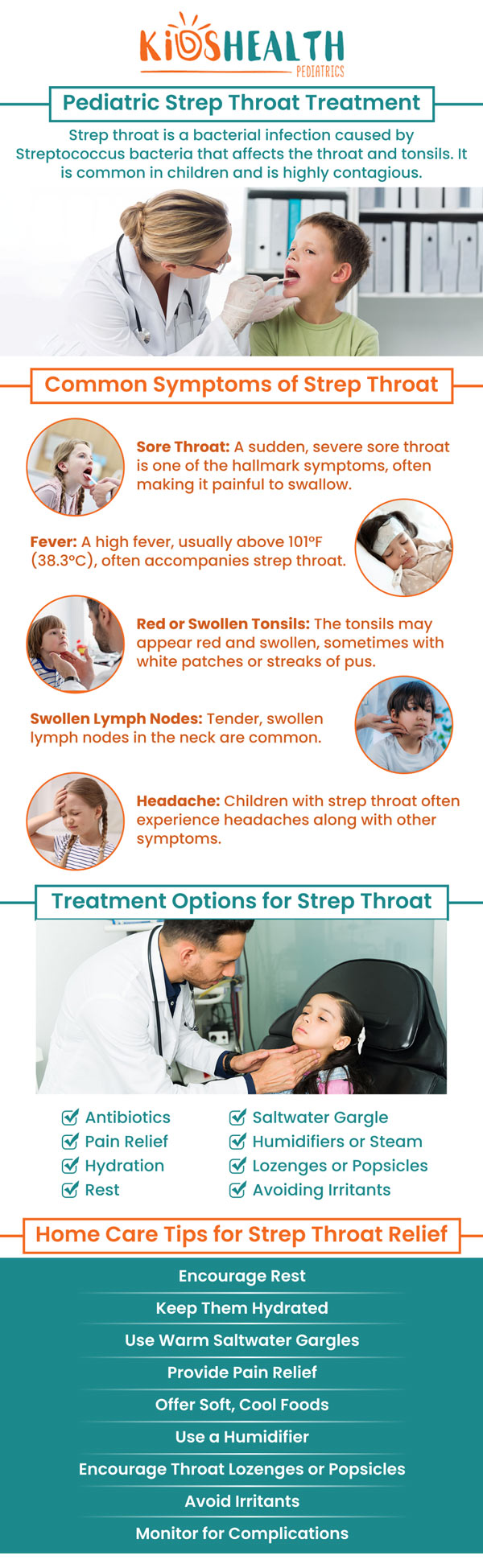
Table of Contents:
What are the most common symptoms of strep throat?
How can I tell if my child’s sore throat is strep throat or just a common cold?
When should I take my child to the doctor for strep throat symptoms?
Are there any complications from untreated strep throat?
Identify and Treat Strep Throat Early with KidsHealth Pediatrics
Strep throat is a bacterial infection caused by Streptococcus bacteria, and it can make children feel quite miserable. The most common symptoms that parents notice include:
● Sudden sore throat: Pain that starts quickly and feels more intense than a typical cold sore throat
● Difficulty swallowing: Your child may complain that it hurts to swallow food or liquids
● Fever: Often 101°F (38.3°C) or higher
● Red, swollen tonsils: Sometimes with white patches or streaks of pus
● Swollen, tender lymph nodes: Especially in the neck
● Headache and stomach pain: More common in younger children
● Loss of appetite and fatigue
Unlike many viral illnesses, strep throat usually does not include a cough or runny nose — if those symptoms are present, it’s more likely a cold or viral infection. Because strep is bacterial, it won’t resolve on its own and requires evaluation and treatment.
Distinguishing between strep throat and a common cold can be tricky because both can cause discomfort in the throat. However, there are some key clues that can help you decide when it’s more likely to be strep:
Signs are more consistent with strep throat
● Sudden onset of pain: Strep can make your child’s throat hurt quickly and intensely
● High fever without cold symptoms: Colds often come with congestion, sneezing, or coughing
● Swollen, bright red tonsils with white spots or streaks
● Headache or stomach pain
● No cough or runny nose
Signs are more typical of a common cold
● Gradual onset of symptoms
● Cough, sneezing, runny nose, congestion
● Mild sore throat
● Low‑grade fever or no fever at all
One of the best ways to know for sure is through a rapid strep test in the pediatrician’s office. It can provide results in minutes, and if negative but symptoms strongly suggest strep, a throat culture may be done for confirmation. This testing helps your child get the right treatment quickly and safely.
You should schedule a medical evaluation for your child if they have:
● A sore throat that’s severe or lasting more than 24–48 hours
● Fever over 100.4°F (38°C)
● Difficulty swallowing or refusing to eat or drink
● Swollen lymph nodes in the neck
● White patches on the tonsils
● Signs of dehydration (dry mouth, reduced urine output)
● Unusual irritability or fatigue
● Symptoms that get worse instead of better
Even if you’re unsure, getting checked by a pediatric provider — like those at KidsHealth Pediatrics — is wise because untreated strep can persist or spread to others. KidsHealth Pediatrics offers quick and reliable testing to determine whether your child has strep and needs antibiotics, or if the symptoms are more consistent with a viral illness that will improve with supportive care.
Yes—although many children recover from strep throat with prompt treatment, untreated strep can lead to serious complications.
Possible Complications Include:
● Rheumatic fever: A rare but serious inflammatory condition that can affect the heart, joints, skin, and brain
● Post‑streptococcal glomerulonephritis: A type of kidney inflammation
● Peritonsillar abscess: A painful collection of pus near the tonsils that may need drainage
● Spread of infection: Strep bacteria can spread to the sinuses, middle ear, or respiratory tract
● Transmission to others: Strep is contagious until antibiotics have been taken for at least 24 hours
Treating strep with appropriate antibiotics not only helps your child feel better faster but also reduces the risk of these complications and decreases the chance of spreading the infection to siblings, classmates, and caregivers.
At KidsHealth Pediatrics Corp, your child’s comfort and safety come first. When strep throat is suspected, clinicians use quick and reliable testing methods to determine the cause of your child’s symptoms, allowing for fast and accurate diagnosis.
Here’s how early identification and treatment work:
1. Rapid Strep Testing
A simple swab of the throat can confirm whether your child has strep bacteria, usually in just a few minutes.
2. Confirmation When Needed
If the rapid test is negative but your child’s symptoms strongly suggest strep, a more sensitive throat culture may be performed to ensure accurate diagnosis.
3. Personalized Treatment
If strep is confirmed, antibiotics are prescribed that are tailored to your child’s age, medical history, and specific needs. Antibiotics help reduce pain, shorten illness duration, prevent complications, and decrease contagiousness after 24 hours of treatment.
4. Supportive Care Guidance
Parents receive clear advice on symptom relief, hydration, pain management, and how to help their child rest comfortably at home.
5. Follow‑Up and Return to Activities
KidsHealth Pediatrics will tell you when your child is no longer contagious and ready to return to school or daycare — typically after 24 hours of antibiotics and once the fever has resolved without fever‑reducing medication.
Strep throat doesn’t have to be a prolonged or confusing illness. With early recognition and the right care plan from experienced pediatric providers, your child can recover quickly and safely.
If you notice symptoms consistent with strep—especially a sore throat accompanied by fever, swollen tonsils, or difficulty swallowing—reach out to KidsHealth Pediatrics Corp for evaluation and care. Early testing and treatment help your child feel better sooner and protect their health in the long run. For more information, please contact us or book an appointment online. We have a convenient location in 5425 E Bell Rd Suite 131 Scottsdale, AZ 85254. We serve patients from Glendale AZ, Peoria AZ, Sun City AZ, Scottsdale AZ, North Scottsdale AZ, Grayhawk AZ, and surrounding areas of Phoenix AZ.
Check Out Our 5 Star Reviews


Additional Services You May Need
Additional Services You May Need


 Send Text
 How May I Help You?
