
Why is Early Management Important for Food Allergies in Children?
Food allergies in children can lead to severe, life-threatening reactions if not managed properly. Early diagnosis and intervention are critical to minimize risk and ensure a safer environment for children. Managing food allergies involves avoiding allergens, carrying emergency medication, and educating caregivers and teachers about the child’s specific needs. At KidsHealth Pediatrics, Dr. Maria Nabong provides professional care for children with food allergies, offering personalized treatment plans to help families navigate allergy management effectively. For more information, contact us or book an appointment online. We are conveniently located at 5425 E Bell Rd Suite 131 Scottsdale, AZ 85254.
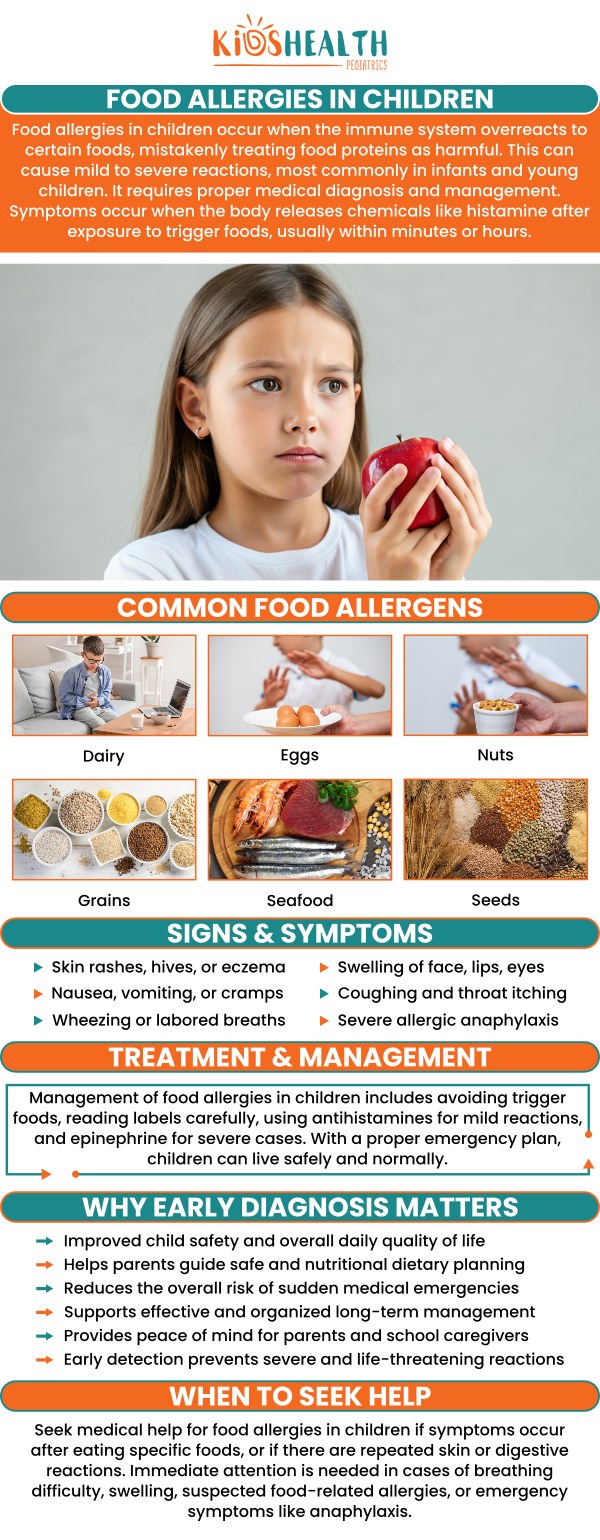
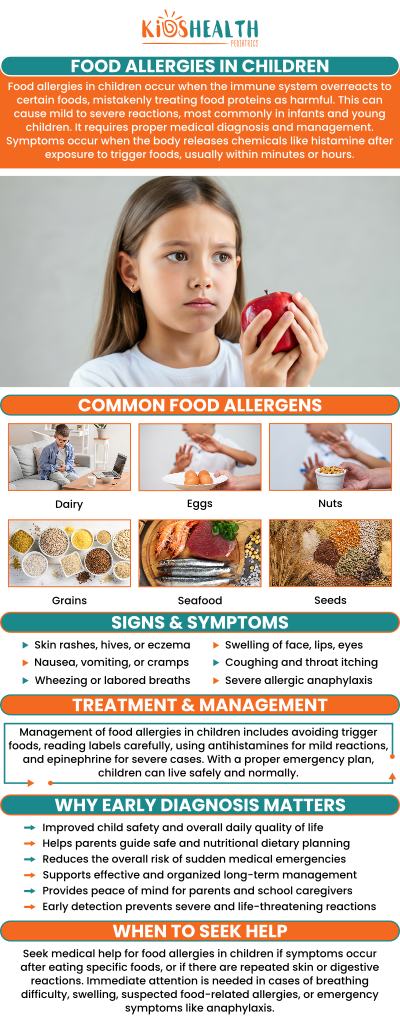
Table of Contents:
Why is early management important for children with food allergies?
What risks can occur if food allergies in children are not managed early?
Why is reading food labels important for children with food allergies?
When should parents consult a pediatrician about food allergy concerns?
Early Care for Childhood Food Allergies with Dr. Maria Nabong, MD
At KidsHealth Pediatrics, we know that early management is crucial for children with food allergies. Early management of food allergies in children is crucial to prevent potentially life-threatening reactions and ensure their safety. By identifying food allergies early, parents and caregivers can take proactive steps to avoid allergens, reduce the likelihood of accidental exposure, and respond quickly if an allergic reaction occurs.
Early management also includes educating the child, caregivers, and school staff about the allergy, ensuring that everyone is prepared to act in case of an emergency. Additionally, managing food allergies early helps children lead a healthier, more comfortable life by minimizing allergic reactions. It can also prevent the development of new allergies and reduce the risk of chronic health conditions like asthma or eczema that may be triggered by food allergens. By working with a pediatrician, parents can develop a comprehensive care plan that includes an allergy management strategy, emergency response instructions, and regular follow-up care to monitor the child’s health.
At KidsHealth Pediatrics, we are committed to helping children with food allergies thrive, safely and happily. As part of our comprehensive care, we may discuss whether your child could benefit from newer therapies or consider supervised food challenges when appropriate. Our goal is to empower your family, protect your child from serious health risks, and promote confidence in managing food allergies.
At KidsHealth Pediatrics, we know that early and effective management of food allergies in children is critical for their health, safety, and overall well-being. If food allergies in children are not managed early, several risks can arise that could negatively impact their health and well-being. Here are some of the potential dangers:
● Severe Allergic Reactions: Failure to manage food allergies early can lead to life-threatening reactions like anaphylaxis, which requires immediate medical attention.
● Frequent Emergency Situations: Without proper management, children may experience recurrent allergic reactions, leading to multiple visits to the emergency room.
● Delayed Diagnosis: If symptoms are not properly identified and managed, it can delay the diagnosis of food allergies, making it harder to avoid allergens.
● Development of New Allergies: Untreated food allergies can lead to the development of new sensitivities or exacerbation of existing ones.
● Quality of Life Impact: Unmanaged allergies can lead to anxiety, discomfort, and missed activities or school days due to allergy symptoms.
● Nutritional Deficiencies: Avoiding certain foods due to undiagnosed allergies can result in a restricted diet, potentially leading to deficiencies in key nutrients.
● Chronic Health Issues: Ongoing exposure to allergens can result in chronic conditions like asthma or eczema in children with a genetic predisposition.
● Impact on Socialization: Children may avoid social activities like birthday parties or school events where food allergies might become a concern, leading to isolation.
By working together with your family, KidsHealth Pediatrics provides early intervention through accurate diagnosis, personalized avoidance strategies, education, and emergency preparedness. Our goal is to keep your child safe, healthy, and thriving, allowing them to enjoy life to the fullest despite their food allergies.
At KidsHealth Pediatrics, we understand that managing food allergies can be a daily challenge for families. Reading food labels is crucial for children with food allergies to avoid potential allergens and prevent severe allergic reactions. Food labels provide essential information about ingredients, helping parents and caregivers identify any hidden allergens that may be present in packaged foods. Many foods contain allergens that can trigger reactions, even if they are not immediately obvious. By carefully reviewing the label, parents can ensure the food is safe for their child to consume.
In addition, food labels also include information about cross-contamination risks, which can occur during manufacturing processes. For children with severe allergies, even trace amounts of an allergen can cause a serious reaction. By understanding how to interpret food labels, parents can make informed decisions about the safety of the products they purchase, minimizing the risk of accidental exposure to allergens. This proactive approach is key in managing food allergies and ensuring the child’s well-being.
Remember, even a small amount of an allergen can cause a serious reaction, so consistency and vigilance are key. If you have questions about reading labels or managing your child’s food allergies, the team at KidsHealth Pediatrics is here to support you every step of the way. Together, we can help your child stay safe, confident, and healthy.
At KidsHealth Pediatrics, we encourage parents to consult our pediatricians if they have any concerns about food allergies in their children. Parents need to consult a pediatrician if they notice any potential signs of food allergies in their child. Here are some key reasons to seek medical advice:
● If a child has unexplained symptoms like stomach pain, vomiting, or diarrhea after eating specific foods.
● If a child develops a skin rash, swelling around the lips, or itching after eating a particular food.
● If a family history of food allergies exists, parents are concerned about the potential risk.
● If the child experiences symptoms like wheezing, coughing, or a runny nose after consuming certain foods.
● If a parent is unsure whether their child has a food allergy, and wants to determine the cause of recurring symptoms.
● If a child has been diagnosed with other allergies (e.g., pollen or pet), there are concerns about food allergy co-occurrence.
● If the child needs an epinephrine prescription or an allergy management plan to prepare for potential allergic reactions.
If your child has a reaction that seems severe or involves more than one body system, such as both skin and breathing symptoms, it is critical to seek care immediately. Early consultation with KidsHealth Pediatrics can ensure timely diagnosis, provide personalized recommendations, and help prevent serious allergic reactions.
Early care and management of food allergies in children are essential to preventing severe allergic reactions. Dr. Maria Nabong, MD, at KidsHealth Pediatrics, emphasizes the importance of early diagnosis and intervention to ensure a safe environment for your child. By recognizing potential allergens and taking appropriate precautions, families can significantly reduce the risk of allergic reactions.
Dr. Nabong works closely with parents to develop individualized care plans, which may include education on avoiding allergens, carrying epinephrine, and understanding how to respond in case of an emergency. With her expertise, families can feel confident in their ability to manage food allergies effectively and provide the best care for their children.
For more information, contact us or book an appointment online. We are conveniently located at 5425 E Bell Rd Suite 131 Scottsdale, AZ 85254. We serve patients from Glendale AZ, Peoria AZ, Sun City AZ, Scottsdale AZ, North Scottsdale AZ, Grayhawk AZ, and surrounding areas of Phoenix AZ.
Check Out Our 5 Star Reviews


Additional Services You May Need
Additional Services You May Need


 Send Text
 How May I Help You?
